

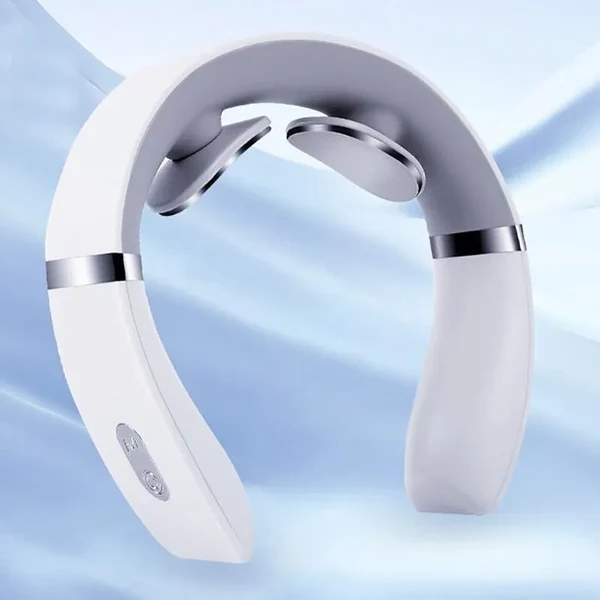
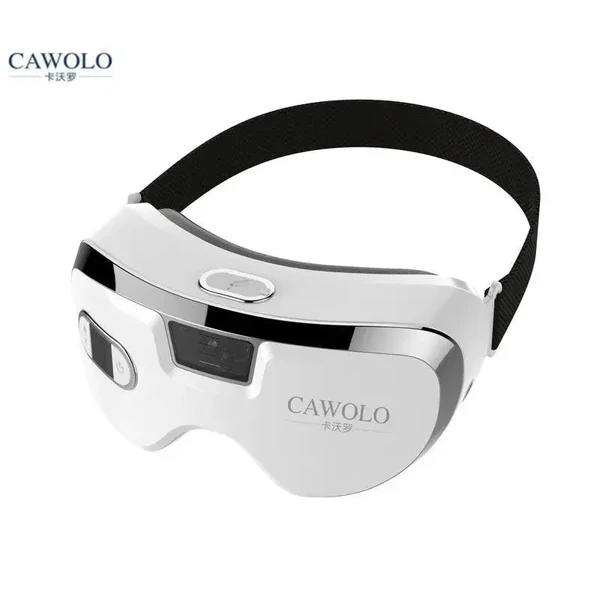

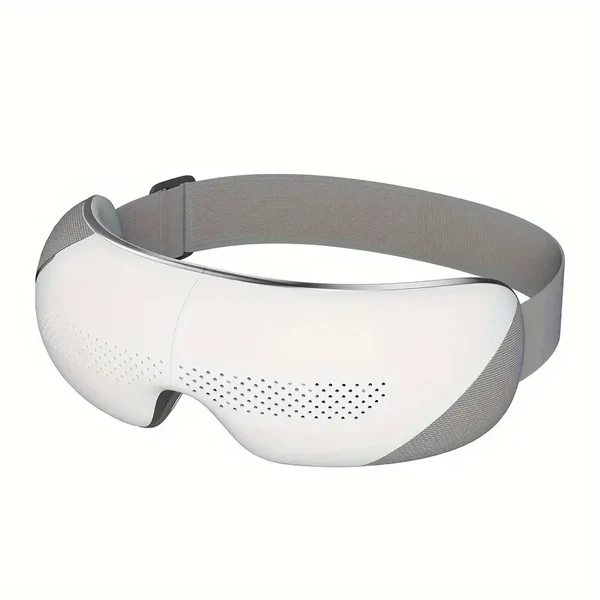
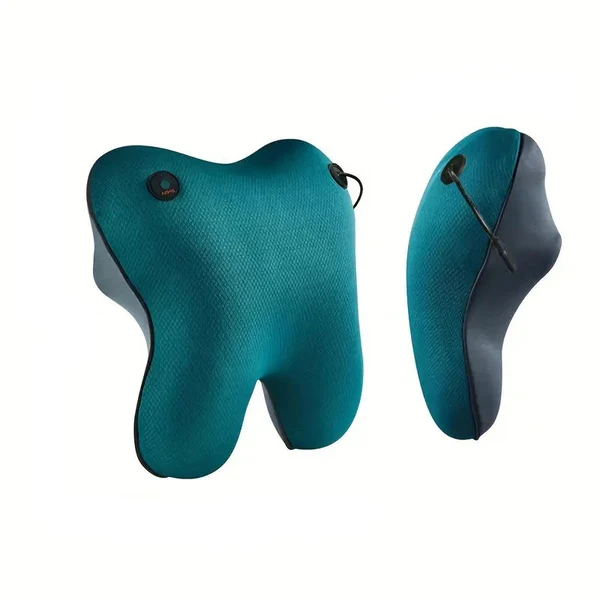
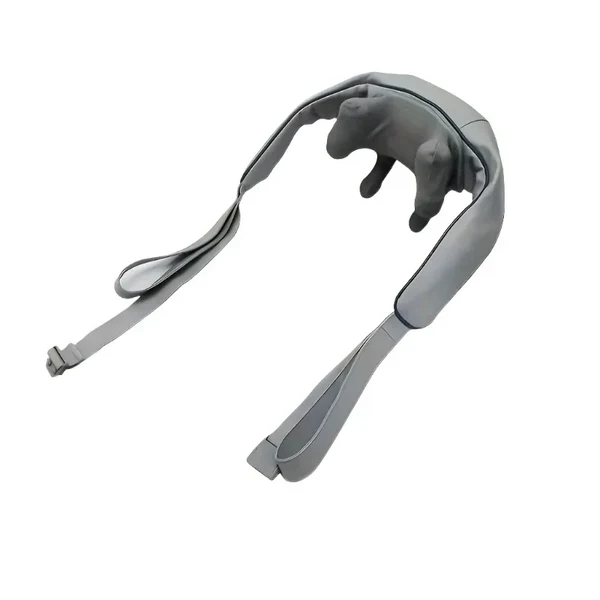
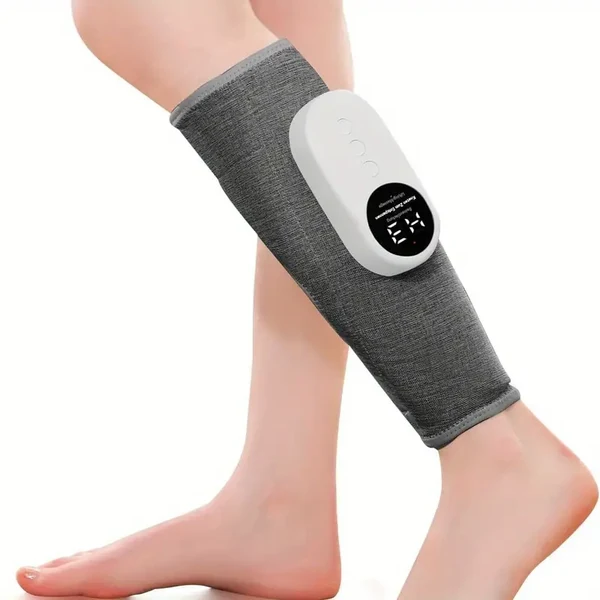
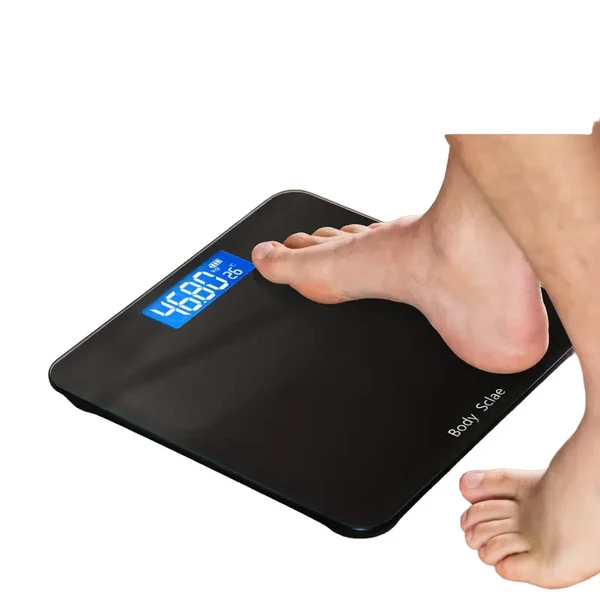
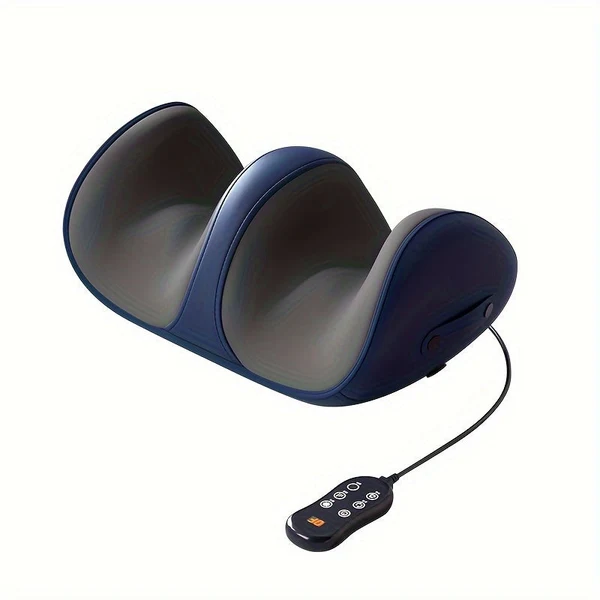
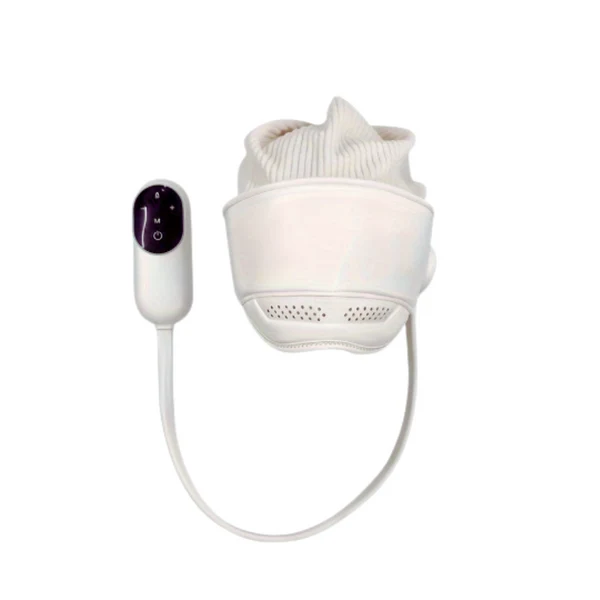
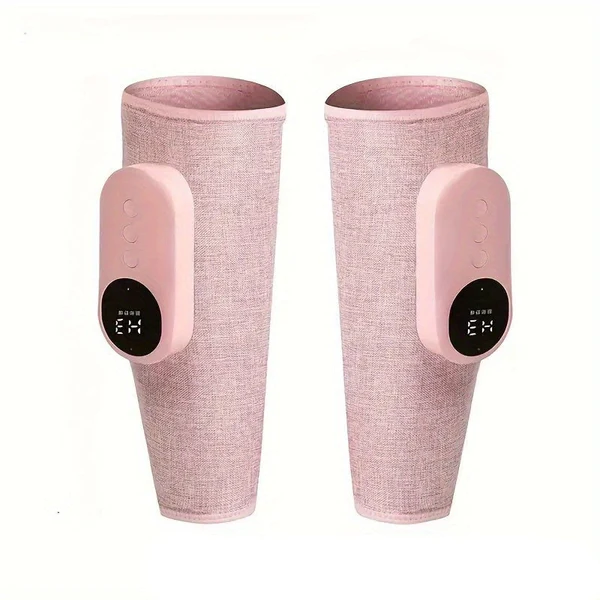
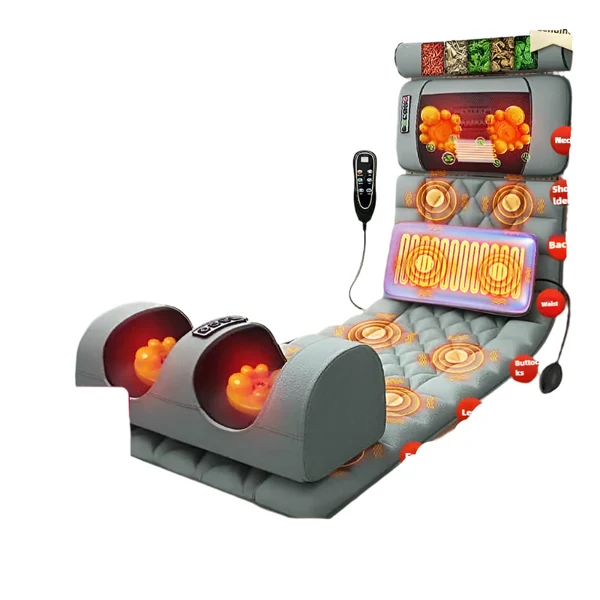
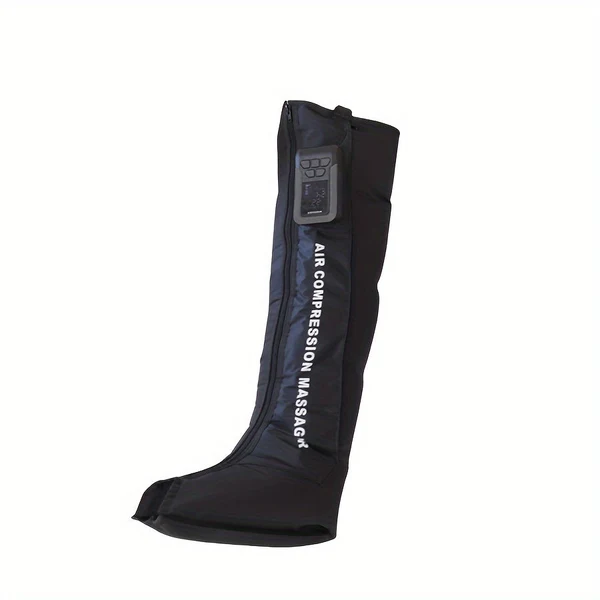


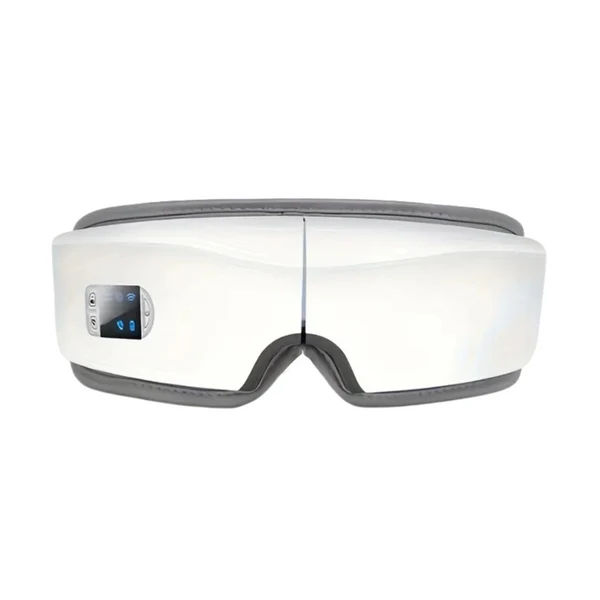


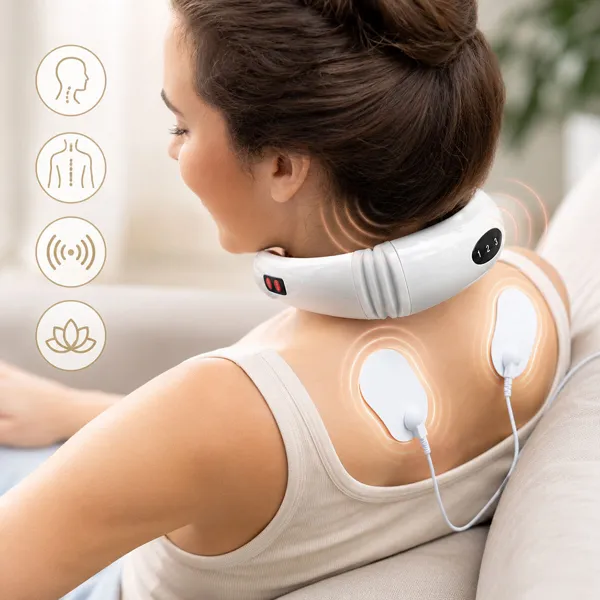
How to choose
- Read the care notes before you choose; easy upkeep matters more for things used every day.
- Let what you already own guide material and colour, so new and old sit well together.
- Think about who else will use it, and choose something that suits whoever else will use it too.
- Rely on stated dimensions and descriptions rather than names, which vary between makers.
- If you are replacing something, list what worked and what did not, and use that as your brief.
Frequently asked questions
What signs of good making should I look for in muscle recovery tools?
Look for clean joins, even finishing and edges or seams that feel smooth; in muscle recovery tools, small details like these say a lot about how carefully something was put together.
Where do I start if I am new to muscle recovery tools?
If you are new to muscle recovery tools, start with a versatile, all-round type in a material that is easy to care for, then add more specialised types once you know what you use.
What should I check when replacing muscle recovery tools?
When replacing muscle recovery tools, note what worked and what did not with what you had before, then use that as a checklist for size, material and finish.
How do I look after muscle recovery tools?
Care for muscle recovery tools depends on the material, so follow the care notes for each item; in general, regular light cleaning and dry storage keep things in good shape.
Should I buy muscle recovery tools as a set or singly?
A set of muscle recovery tools keeps everything matching; buying one at a time lets you mix materials and colours and add to what you have as you go.